
Sustainability Series – Part 02: Regulations and Reality

Here at Locus, we have been interested and active in the sustainability space for a long time now. And with sustainability increasingly on the radar for governments, businesses and individuals, we’ve created a 3 part blog series on the topic.
Part 01: A Changing Landscape looked at social pressures, global initiatives, and the environmental status of NZ.
Today, in Part 02: Regulations and Reality, we try and make sense of the current NZ regulations in place and their practical outcomes.
And finally, we will look at the business implications in Part 03: Taking action.
Environmental Law in NZ
As we and our neighbouring countries are experiencing the direct effects of the climate crisis, urgency in our policy making is rising. Government has indicated that all major decisions will now have the climate change “lens” applied to it via ‘climate impact assessments’. These assessments will be mandatory for future proposals with impact on greenhouse emissions.
It is yet another initiative highlighting the governments’ intentions and drive to make meaningful change. Over the last months we have seen the release of the Product Stewardship proposal, Environment Aotearoa 2019 report, Rethinking Plastics in Aotearoa New Zealand report (with contributions from our friends at Scion), and the Climate Change Response (Zero-Carbon) Amendment Bill, to name a few.
The knowledge and research attached will undoubtedly contribute to better policies. However, some critics say it will require tangible policy action now to reduce emissions immediately.
So, what do we have in place now?
Let’s have a look at some of the main Acts and some amendment bills attached. Many different Acts relate to New Zealand’s environment and climate. All of them have seen updates since their genesis as well as amendments to reflect our changing world.
- Resource Management Act 1991
- Climate Change Response Act 2002
- Waste Minimisation Act 2008
- Biosecurity Act 1993
- Conservation Act 1987
- Crown Minerals Act 1991
- Environment Act 1986
- Fisheries Act 1996
- Forests Act 1949 (with 1993 amendment)
- Hazardous Substances and New Organisms Act 1996
- Ozone Layer Protection Act 1996
- Wildlife Act 1953
- Exclusive Economic Zone and Continental Shelf (Environmental Effects) Act 2012
We decided to focus on the two major players, the Resource Management Act 1991 and the Climate Change Response Act 2002 with its (proposed) amendments. And with the new Product Stewardship proposal on the horizon, it made sense to also look at the Waste Minimisation Act 2008.
Let’s start with something fresh in our minds – the Climate Change Response (Zero-Carbon) Amendment Bill.
*Disclaimer: we are not environmental lawyers, and we do apologise if our recap or interpretation is incorrect. The intent of this blog post is to help clarify the landscape and underline its potential complexity. Any mistakes on our behalf will only underpin this 😉

Climate Change Response (Zero-Carbon) Amendment Bill
The Climate Change Response (Zero-Carbon) Amendment Bill, also known as the Zero-Carbon bill, is a proposed amendment to the Climate Change Response Act 2002. First brought to parliament in May this year and had its third reading earlier in early November – with everyone but one voting in favour (119-120). The bill is yet to be passed and we expect quite a bit of back and forth over the details, especially the targets on Short-lived greenhouse gases – mainly methane.
So lets have a look at some of the key elements of the bill:
- Long term objective – The main aim is to reduce emissions to a net-zero by 2050 to limit global warming to 1.5C. The target is based on the IPCC’s 2018 report. The Intergovernmental Panel on Climate Change (IPCC) is the UN body for assessing the science related to climate change.
- NZ only – The Act will use The Firewall Principle – and targets will only apply to New Zealand’s domestic emissions – and will not include any international carbon trading
- The Two Baskets Approach – the Act will separate targets and pathways between:
- Long-lived greenhouse gases (mainly carbon dioxide and nitrous oxide) – which must be brought back to around 45% by 2030 and net-zero by 2050
- Short-lived greenhouse gases – primarily methane produced from the agriculture and waste sectors (known as biogenic methane). The bill will require that gross emissions of biogenic methane decrease by between 24% and 47% relative to 2017 levels by 2050. Especially this part is and will continue to be a hot debating point. From too much to too little.
- 5yr carbon budgets –
- One for the immediate 5 years and 2 ahead – so there is always one current budget and two future budgets creating coherency and continuity. Climate Change Commission will advise the minister on the budgets.
- The government must produce policy plans to meet carbon budgets
- Independent Climate Commission** will be created to advise on targets, budgets, policies and risks. They will also be reviewing and reporting on progress, and ultimately hold the government to account. Although it looks like the powers to do so are not clear/strong enough.
- National Climate Risk Assessment will be prepared every five years with expert input from the Climate Commission.
- No offshore carbon offsetting/mitigation
**An independent Crown entity consisting of 6-10 expert members in climate change, governance, policy, the environmental, ecological, social, economic and distributional impacts of climate change, and te Tiriti o Waitangi and te ao Māori.
The bill certainly is a step in the right direction, but some issues have been highlighted by experts around. Like with many other proposals and Acts in place, it seems to be more good intentions than actual enforcing of action. Here are the 3 main issues with the current bill as proposed:
- Not mandatory considerations
At this point, the carbon budgets and attached programs are outlined as permissive considerations only – not compulsory. If a decision or policymaker fails to consider them, they are currently immune to any judicial reviewing – hardly any pressure to actual to do work/job. - No changes to other legislation
The bill does not directly influence and/or always work well with other legislation currently in place. Most notably is the contradiction created by parts of the Resource Management Act 1991 (RMA) – which has provisions that could overwrite and disregard and greenhouse gas discharge on climate change. Having noted that the Ministry of Environment announced a full review of the RMA. - No enforcement – legally binding or real consequences of not meeting the targets
There are no legal consequences or other remedies in place if the 2050 goal or budget are not met. The only thing court seems to be capable of now is a declaration of that effect together with an award of cost.
The bill needs considerable changes to overcome these significant issues. We simply cannot rely on the goodwill of the people in power.
Interested in more details around this subject matter? We highly recommend looking up the submission from the Lawyers for Climate Change.
Climate Change Response Act 2002
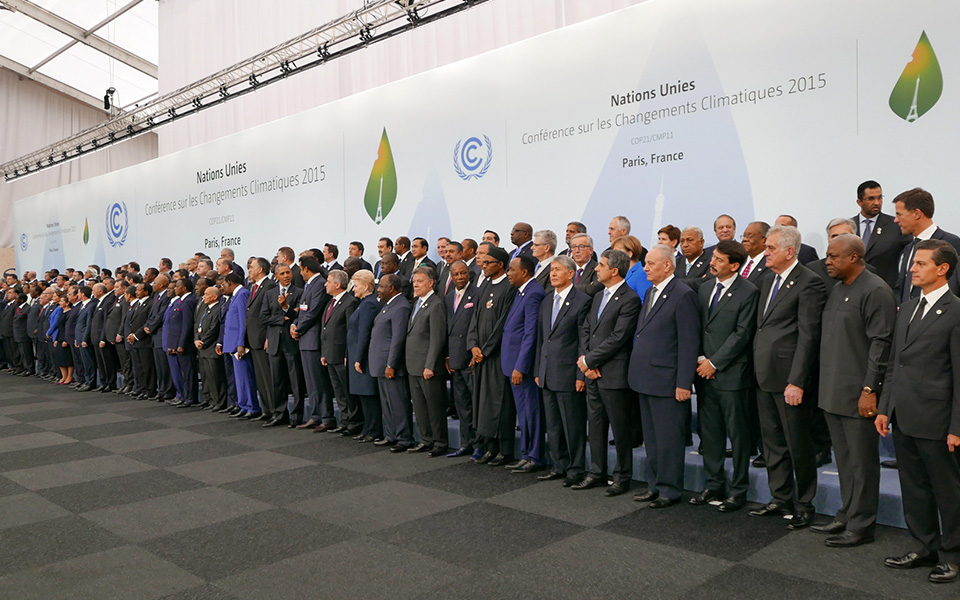
One of the critical pieces of legislation is the Climate Change Response Act 2002. It is the legal framework for New Zealand to meet its international obligations on climate change. It all started in Kyoto in 2002 when New Zealand signed up to the United Nations Framework Convention on Climate Change and the Kyoto Protocol. Since then we saw new agreements and changes with the latest commitments signed for in Paris 2015. All good intentions, but many countries are behind the ball, including New Zealand. Our performance is simply too poor (see Climate Action Tracker), and stronger actions need to be taken to get even close to the 1.5degrees Paris Agreement.
The United Nations Framework Convention on Climate Change (UNFCCC)
The UNFCCC obliges governments to mitigate climate change through general and specific measures aimed at reducing greenhouse gas emissions. However, it does not include binding targets, and there are no compliance mechanisms.
New Zealand Emissions Trading Scheme (NZ ETS)
A primary tool to lower our domestic emissions and meet the agreement is the New Zealand Emissions Trading Scheme (NZ ETS). The EST was introduced as an amendment to the Climate Change Response Act in 2008. The scheme puts a unit price and quantity limit on greenhouse emissions, making businesses pay for their emissions, ultimately encouraging them to emit less.
Ways to acquire units:
- Some industries* that are under pressure of international competition – ultimately shifting global emissions – get a free allocation of units by the government. Producers going over their allowance will have to pay. The government will start reducing these free credits in the future.
- Another way to earn units is to plant forest or through industrial activities that remove emissions.
- One can also simply buy the unit at a price just below NZ$25 for a tonne of greenhouse gases. This current price does not align with our target, which something that needs to be addressed by the government
New Zealand is planning to move from a fixed price to an auction model (potentially late 2020) creating a more significant revenue, which can be returned to sectors to help with a transition to lower emissions.
A big issue with the amendment has always been that the agriculture sector has been excluded from the scheme. Pretty outrageous considering they are such a significant contributor to New Zealand’s greenhouse gas emissions. The government is looking at including the sector into the ETS. However, the way to do this is heavily debated among parties.
*in example: steel, aluminium, methanol, cement and fertiliser.
Resource Management Act 1991
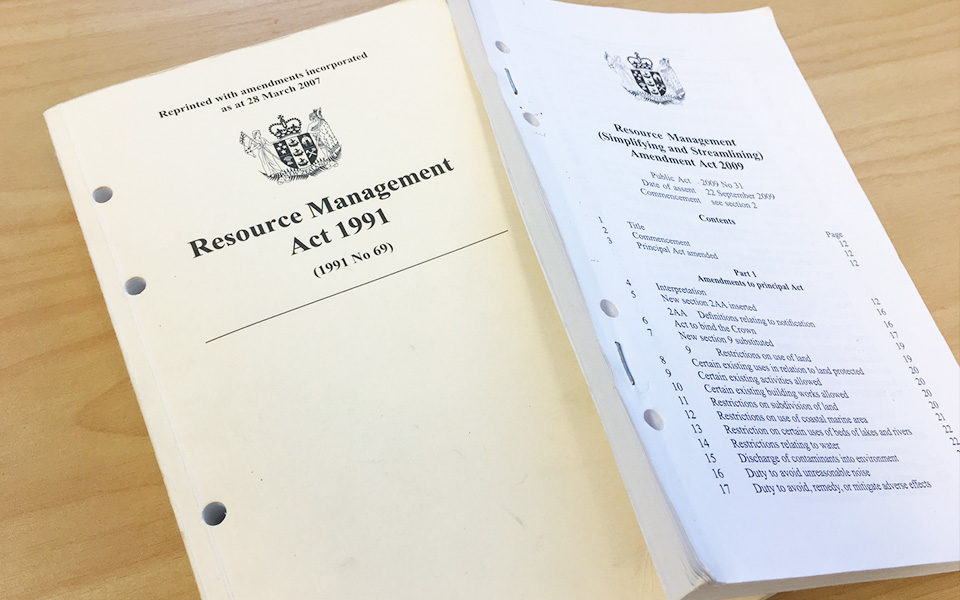
The Resource Management Act (RMA) is another cornerstones of environmental law in New Zealand. It relates to the use, development, management and protection of land, water, soil and air in the whole of New Zealand. What sets RMA apart from some of the other international environmental law is that it includes social and economic considerations promoting the sustainable management of natural and physical resources.
It aims to be a single piece of legislation to embody all of the above. Its ambition is also seen as its biggest pitfall. It is all-encompassing, big, and complicated. Not to mention the issues with the actual enforcement of the law – a retuning problem with many other Acts. The RMA seems to be breached regularly, but almost nobody is ever prosecuted. Whether you are a developer who feels he’s being held back by the law, or an environmentalist wanting the enforcement to be stricter – everybody seems to have their beef with the Act.
As for Climate Change, the RMA requires all persons exercising functions and powers under the RMA, to have particular regard to the effects of climate change. However, it focusses on adapting to the results of climate change, not mitigation and prevention, which causes a lot of issues when trying to enact critically needed change.
The many patch-ups of the law and attempts to fix the Act only made it more complicated and unmanageable. Government has indicated it is due for a full overhaul. This reform can send a strong signal about the general direction of the government as the RMA is such a defining (reword) piece environmental regulation.
Expect this reform to take a long time before becoming a reality. Its first proposal will be presented mid next year – which ultimately will become a campaigning tool with the new elections on the horizon.
In the end, the law is designed to navigate competing interests of development and better protecting the environment – a seemingly impossible tasks.
Waste Minimisation Act 2008
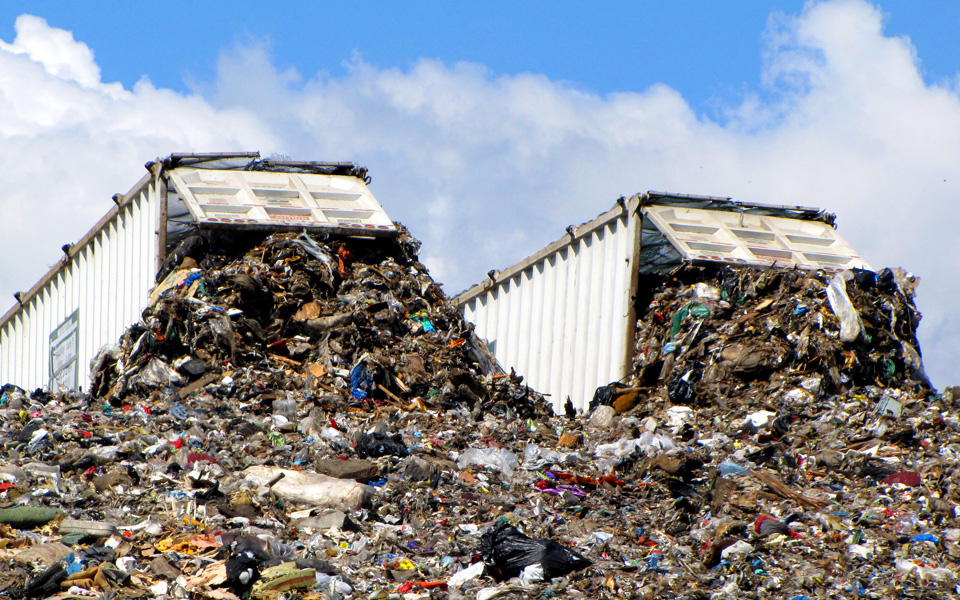
And finally, we touch on the Waste Minimisation Act. Introduced in 2008 to encourage waste minimisation and decrease waste disposal in New Zealand. More than 10 years later and things are looking bleak. In 2018 we were the listed as the 10th in the world on a list of the highest creators of urban waste, which clearly indicates the WMA is not effective. Since then the government has reviewed the Act and are trying to amend and correct to alter its course.
Currently, the government tries to lower our waste through provisions like:
- Waste disposal levy – A levy per tonne of waste sent to landfill, to encourage New Zealanders to start taking responsibility for the waste they produce. This money also contributes to funding opportunities for waste minimisation initiatives.
- Product stewardship programs – Producers, brand owners, importers, retailers or consumers are accepting responsibility (and acting) for reducing a product’s environmental impact.
- Waste Minimisation Fund – The fund for projects that promote or achieve waste minimisation. The waste disposal levy is the source of revenue for the fund.
Especially the waste disposal levy has been an embarrassment. In 2009 the levy was set to a shaming low NZD$10 per tonne (excluding GST) levy on all waste sent to landfill. And it hasn’t increased since. Recently the government has announced it will raise the levy to NZD$60 gradually till 2023. This might seem a good move, but in light of international standards, it is way off. Australia’s levy is on average NZ$150 per tonne, and in Europe, it can go up to NZD$300 per tonne. It looks like years of inactions has led to hard decisions that are not adequately being made.
The currently the Product stewardship program in place is merely voluntary. However, the Act does allow for the government to declare a waste stream(s) as a priority and ultimately make it mandatory for all manufacturers, brand owners, importers, retailers and consumers who partake in these products. The recent announcement by Associate Minister for the Environment the Hon Eugenie Sage for consultation on regulated product stewardship on selected products could be the first execution of such thing. We certainly hope to see this come to life.
The waste minimisation fund is predominantly invested in recycling-related projects. The government is adding further investment in these types of projects and the infrastructure by using money from the Provincial Growth Fund. Great news as we simply do not have enough facilities, infrastructure, or alignment between regions and major cities to deliver on any promises. But recycling is not the sole answer to the problem. Stronger enforcement of all environmental Acts, mandatory product stewardship, upfront recycling fees, and a Life Cycle Thinking approach – considers all influential factors from sourcing to end of life – will need to come in play.
Conclusion
It is obvious the government is working hard to address climate change and is moving as fast as possible within the processes and constraints. However, they seem stuck in “good intention” land and shy away from genuinely enforcing their own law. Years of not correcting course and addressing the real issues have led to an accumulation of problems that are going to be challenging to resolve.
Rather than merely accepting the facts, it is essential for any individual or company to (continue) to be proactive where they can. Be vocal and urge the government, embrace product stewardship and adopt a life cycle thinking mindset.
Want to read more on creativity, design, product development and innovation? Go to our Six Lenses Blog.
Comments